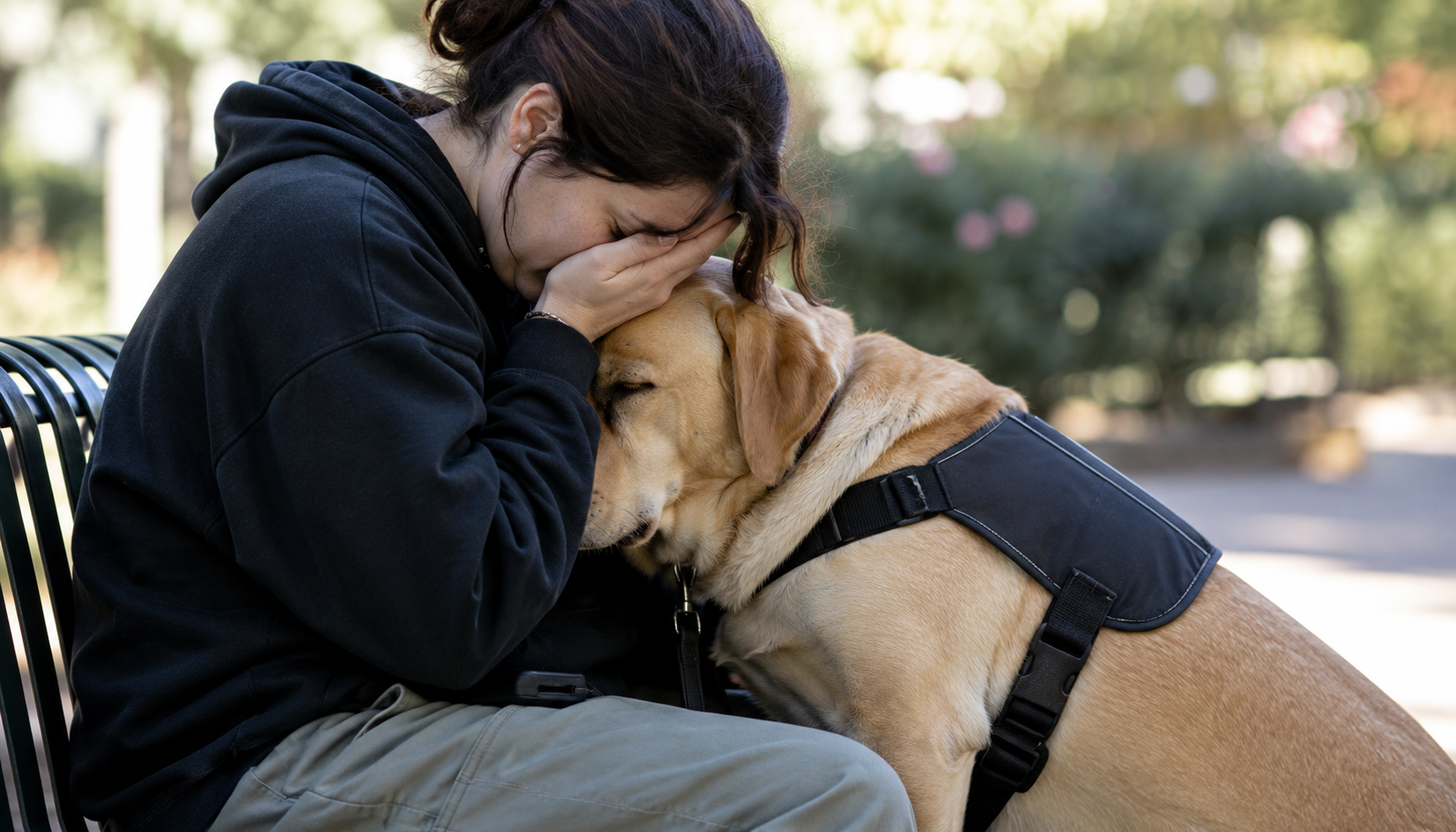
Psychiatric Service Dogs for Anxiety, PTSD, and Depression
A psychiatric service dog is a full service dog under the ADA, with the same public access rights, as long as it is trained to perform tasks for a psychiatric disability. Here is how PSDs qualify.
Yes, a psychiatric service dog is a real service dog
People are sometimes told that service dogs are only for physical disabilities like blindness or mobility limits. That is not what the law says. The Americans with Disabilities Act (ADA) covers psychiatric disabilities the same way it covers physical ones. A dog trained to help a person with a mental health disability is a service dog, plain and simple.
That means an anxiety service dog or a psychiatric service dog has the same public access rights as any other service dog: it can accompany its handler into stores, restaurants, hotels, and other places open to the public. The disability may be invisible, but the legal protection is the same. For the wider picture, see what is a service dog.
The key distinction: a PSD is not an emotional support animal
This is the part that trips up the most people, so it is worth being precise. An emotional support animal (ESA) helps a person feel better simply by being present. That comfort is genuine and valuable, but the animal is not trained to perform a specific task. Because of that, an ESA does not have public access rights under the ADA. You generally cannot bring an ESA into a restaurant or store the way you can a service dog.
A psychiatric service dog is different. It is individually trained to do concrete work tied to the handler's disability. The dog takes a trained action when it is needed. That trained action is the line the law draws between a PSD and an ESA. We break the categories down side by side in service dog vs ESA vs therapy dog.
Comfort by presence is an emotional support animal. A trained task performed on cue or in response to a situation is a psychiatric service dog. The same dog cannot become a service dog just by being loved; it becomes one through training.
Examples of psychiatric service dog tasks
A task is a specific, trainable behavior that helps with the disability. For anxiety, PTSD, and depression, common examples include:
- Interrupting a panic attack or a dissociative episode, often by nudging, pawing, or making eye contact
- Deep pressure therapy, where the dog leans or lies across the handler to provide calming pressure during distress
- Guiding a handler who is overwhelmed toward an exit or to a safe, quiet space
- Reminding the handler to take medication at a set time
- Waking the handler from a night terror or recurring nightmare
- Doing a room search or perimeter check so a handler with PTSD can enter a space feeling safer
- Creating space in a crowd by positioning between the handler and other people
The task does not have to look dramatic to count. A dog trained to nudge its handler the moment anxiety spikes is performing a real task. If you want more ideas, see our list of service dog tasks.
What actually qualifies a PSD
Two things matter, and only these two:
- The handler has a disability. For a psychiatric service dog, that usually means a diagnosed mental health condition that substantially limits a major life activity.
- The dog is individually trained to perform at least one task that helps with that disability.
If you are unsure whether your condition qualifies, that is a conversation for a licensed mental health professional, not a website. A diagnosis is a medical question, and we cannot make it for you. What we can tell you is the legal mechanics: disability plus a trained task equals a service dog.
Notice what is not on the list. A registration is not required. A certificate is not required. An ID card or vest is not required. None of those create a service dog, and none of them are recognized by the ADA as proof. Many handlers train their own dogs, and that is allowed. The story in this PTSD veteran's service dog story shows how task training, not paperwork, is what made the difference.
The honest part about registration
We sell optional ID cards, so we will be straight with you. No registration or ID makes your dog a psychiatric service dog. We are not affiliated with the government, the Department of Justice, or the ADA, and no company can issue "official" service dog status because that status does not come from a purchase. It comes from training.
Some handlers still like carrying an ID card. With an invisible disability, the moment when a staff member asks about your dog can feel stressful, and a card can make that exchange quicker and calmer. That is a convenience, nothing more. If you want one, you can look at our voluntary ID card plans, knowing it grants no legal rights and is never required by law.
Written and reviewed by the ADA Service Dog Team
VerifiedADA Service Dog is operated by NS Design ID Cards, the team behind assistancedogregistry.co.uk and esasupport.co.uk, supporting assistance dog handlers since 2020 with over 20,000 ID cards shipped. Our guidance is grounded in the Americans with Disabilities Act and current Department of Justice, DOT, and HUD guidance. Registration is voluntary, and we always say so honestly.
Important
This article is general orientation, not legal advice. For your specific situation, contact the ADA Information Line at 1-800-514-0301 or a disability rights attorney. ADA Service Dog Registry is a voluntary handler identification platform, not affiliated with the ADA, DOJ, or any US government agency.
Keep reading
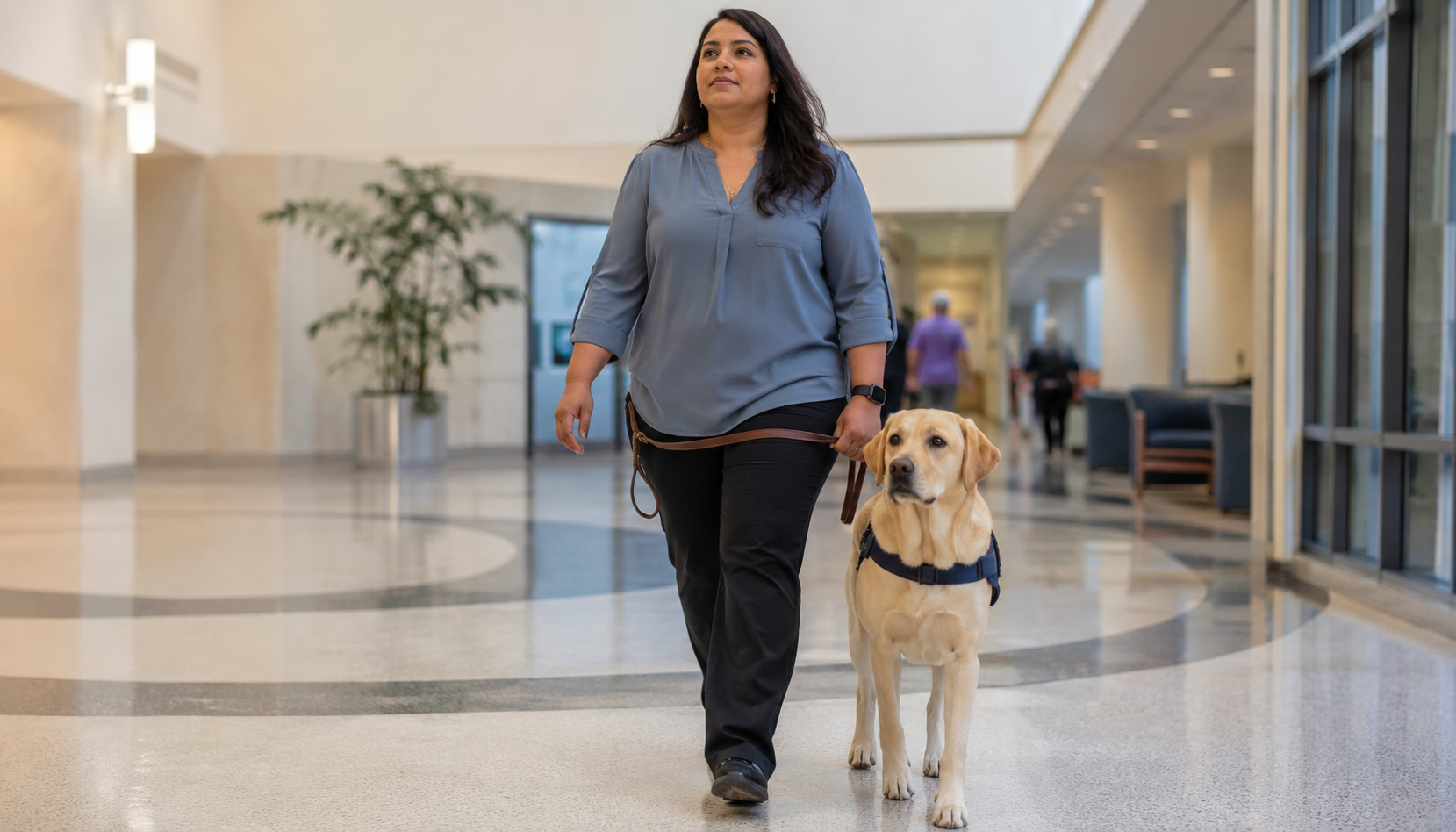
Service Dog Requirements in 2026: What the ADA Actually Requires
The ADA has one real service dog requirement: a handler with a disability and a dog trained to do a task. No c...
Read →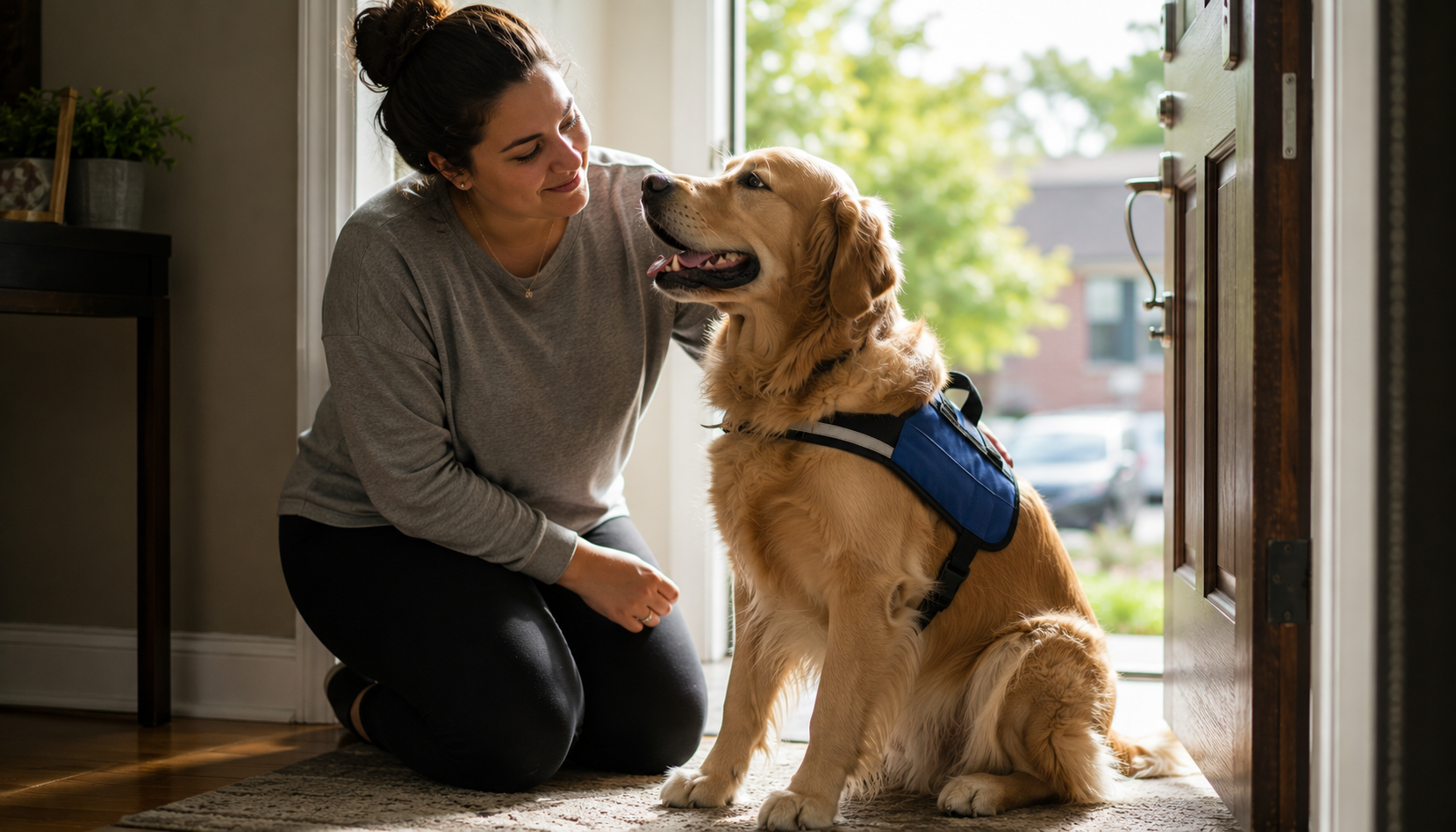
What Is a Service Dog? The ADA Definition in Plain English
A service dog is a dog individually trained to do work or tasks for a person with a disability. Training makes...
Read →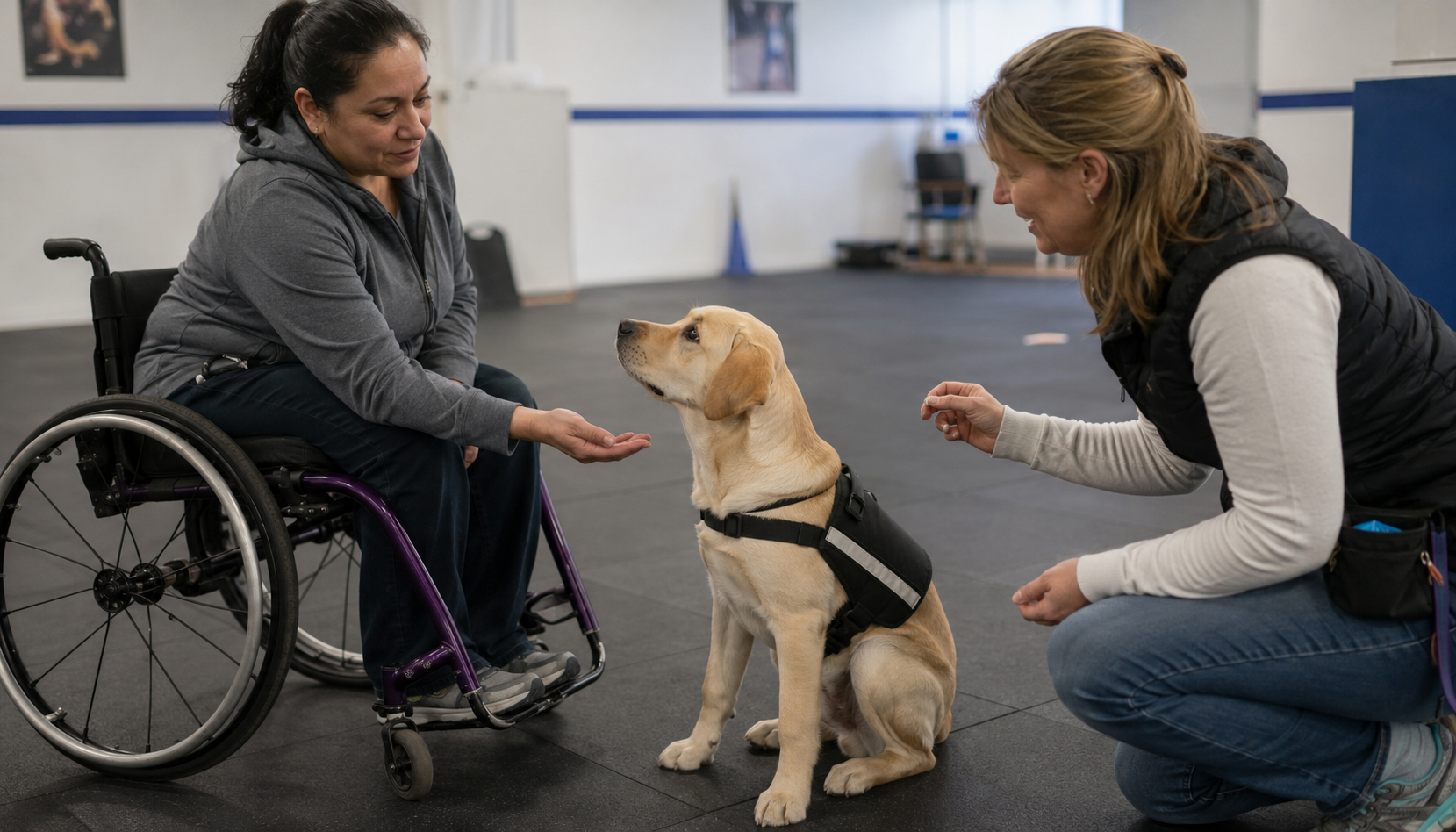
How to Get a Service Dog: The Real Paths and What Each Involves
Four honest ways to get a service dog: an accredited program, a hired trainer, owner-training, or choosing the...
Read →Get the card. Skip the explanations.
Digital handler ID + AI ADA Coach + state-specific rules from $4.99/mo. 30-day money-back guarantee on lifetime plans.
See plans →