The Best Service Dog Breeds (and Why Breed Doesn't Legally Matter)
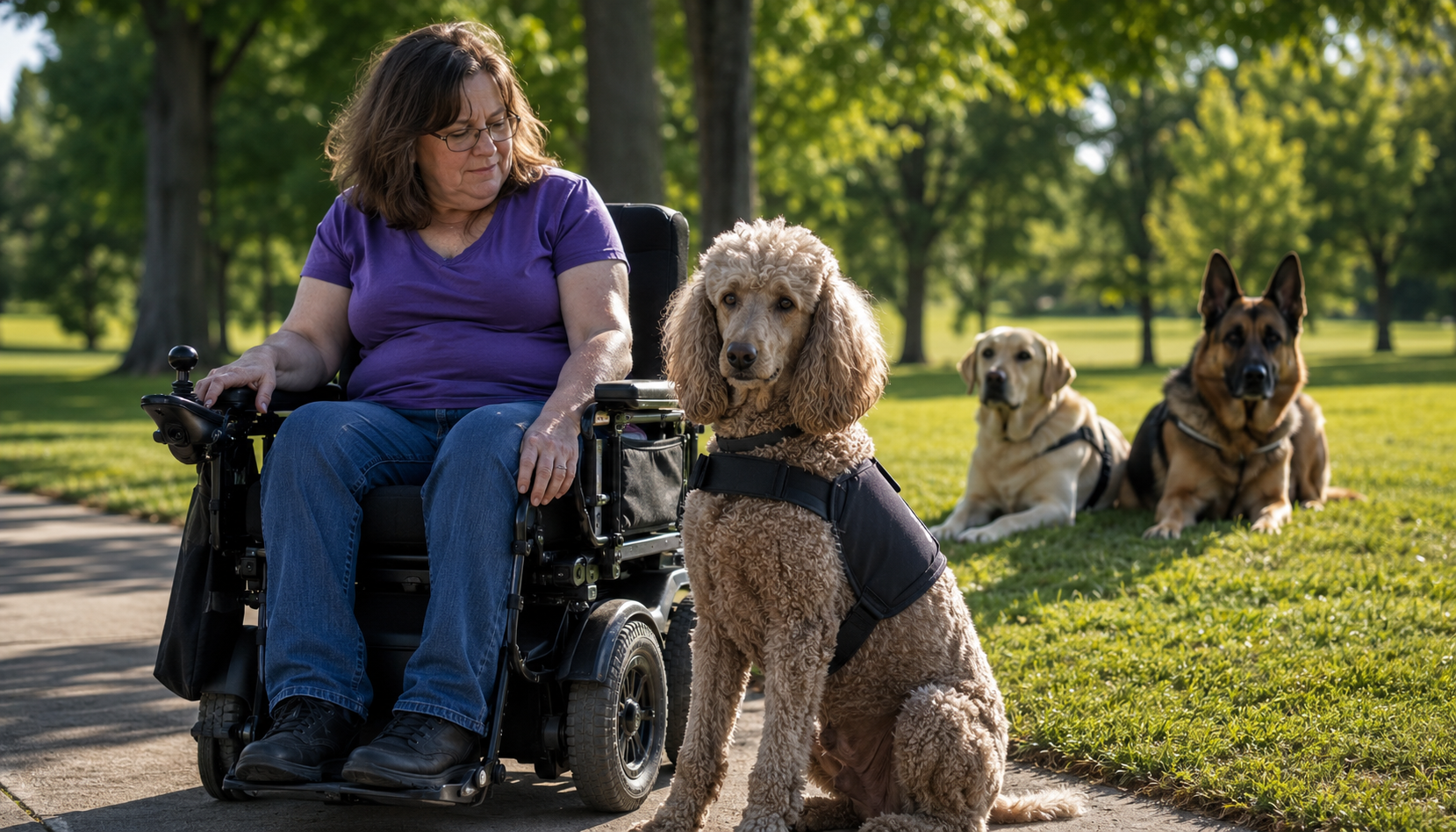
Labradors, Goldens, Poodles, and Shepherds are popular for service work, but the ADA sets no breed restriction. Any breed can be a service dog. Temperament and training matter far more.
Which breeds get chosen most often, and why
If you watch service dogs out in the world, you will see some breeds again and again. That is not because those breeds are legally required. It is because, on average, they tend to have traits that make the training easier and the work more reliable. The usual short list looks like this:
- Labrador Retriever. Friendly, food motivated, eager to please, and a good size for mobility and retrieval tasks. Easily the most common service dog breed.
- Golden Retriever. Similar temperament to the Lab: gentle, people focused, and steady in busy places. Often used for guide and mobility work.
- Standard Poodle. Smart, highly trainable, and a popular pick for handlers who want a lower shedding coat. Comes in a size that can handle larger tasks.
- German Shepherd. Intelligent and devoted, frequently used for guide work and mobility, though they generally need confident, consistent training.
You will also see Collies, some retriever and poodle mixes, and others. The pattern is the trait set, not the pedigree.
Smaller dogs do real service work too
Service work is not only for big dogs. The right size depends on the task. A dog that braces a handler or pulls a wheelchair needs to be large and strong. But a dog that alerts to low blood sugar, detects an oncoming seizure, or interrupts a panic attack does not need size at all. Smaller breeds and mixed breeds regularly do psychiatric and medical alert work, and they can travel and maneuver in tight spaces more easily. The job sets the size, and many jobs are well within reach of a small dog.
What to look for in any candidate
Because breed is a starting point and not a guarantee, the individual dog matters far more. Whatever the breed, the traits that predict success are roughly the same:
- Calm temperament. Settles quickly, recovers fast from surprises, and is not easily rattled.
- Focus. Can pay attention to the handler even with distractions around.
- Low reactivity. Does not bark, lunge, or fixate on other dogs, people, or noises.
- Good health. Sound joints, stable energy, and no condition that the work would aggravate. A service dog career is physically demanding.
- Right size for the tasks. Big enough for mobility work, or simply portable for alert work.
A high energy, reactive Labrador will struggle where a calm, focused mixed breed thrives. Temperament beats breed, and individual dogs vary a lot even within the same litter.
The part that actually matters legally: breed does not
Here is the point most breed articles skip. The Americans with Disabilities Act places no restriction on breed. A service dog is defined by two things: the handler has a disability, and the dog is individually trained to do work or a task related to that disability. Breed is simply not part of the definition. We walk through that test in what is a service dog.
This has a real consequence. Breed bans and "aggressive breed" policies do not apply to genuine service dogs. A city ordinance or a landlord rule that bans certain breeds cannot be used to turn away a qualified service dog. Under the ADA, public places must allow a service dog regardless of breed, and housing protections under the Fair Housing Act work the same way. We cover the housing side in the service dog renting and FHA guide.
What makes a service dog is the disability and the training. Not the breed, not a vest, and not any card or registration.
So how do you actually get one?
Pick for traits, not status. Whether you buy a candidate from a careful breeder, adopt a promising dog, or train one you already love, the work is the same: socialize early, build calm focus, and train the specific tasks tied to the disability. There are no breed requirements to meet and no certificate to earn first. For the full path, see how to get a service dog, and for the legal checklist, see service dog requirements.
A note on registration and ID
Because breed has no legal weight, neither does any registry that claims to "approve" certain breeds. Registration is voluntary, it is not required, and no registry or ID card is official or government issued. ADA Service Dog is not affiliated with the DOJ, the ADA, or any government agency. Your dog's access comes from the disability and the training, full stop. If a card would make day to day interactions a little smoother, you can look at our plans as a convenience. If you skip it, a genuine service dog of any breed has exactly the same rights.
Common questions
What is the best breed for a service dog?
Labrador Retrievers, Golden Retrievers, Standard Poodles, and German Shepherds are the most common choices because they tend to be trainable, even-tempered, and the right size for many tasks. But the best breed depends on the tasks needed and the individual dog's temperament, not popularity.
Does the ADA restrict which breeds can be service dogs?
No. The ADA sets no breed restrictions. Any breed or mix can be a service dog. A business cannot deny a service dog based on its breed, even in areas with breed-specific legislation for pets.
Can a small dog be a service dog?
Yes. Small breeds can perform many tasks such as medical alert, psychiatric interruption, and hearing assistance. Size only matters when a task requires it, such as mobility support or bracing, which need a larger, structurally sound dog.
What makes a dog a good service dog candidate?
Calm and stable temperament, low reactivity, willingness to work with the handler, good health, and the physical ability to perform the needed tasks. These traits matter far more than breed when predicting whether a dog can succeed in service work.
Key terms explained
- Temperament
- A dog's natural disposition; calm, stable temperament is the strongest predictor of service-work success.
- Breed-specific legislation
- Local laws restricting certain breeds as pets; these do not override ADA service dog protections.
- Mobility task
- Physical assistance such as bracing or retrieving that usually requires a larger, structurally sound dog.
- Reactivity
- A dog's tendency to overreact to stimuli; low reactivity is essential for public access work.
Written and reviewed by the ADA Service Dog Team
VerifiedADA Service Dog is operated by NS Design ID Cards, the team behind assistancedogregistry.co.uk and esasupport.co.uk, supporting assistance dog handlers since 2020 with over 20,000 ID cards shipped. Our guidance is grounded in the Americans with Disabilities Act and current Department of Justice, DOT, and HUD guidance. Registration is voluntary, and we always say so honestly.
Important
This article is general orientation, not legal advice. For your specific situation, contact the ADA Information Line at 1-800-514-0301 or a disability rights attorney. ADA Service Dog Registry is a voluntary handler identification platform, not affiliated with the ADA, DOJ, or any US government agency.
Keep reading
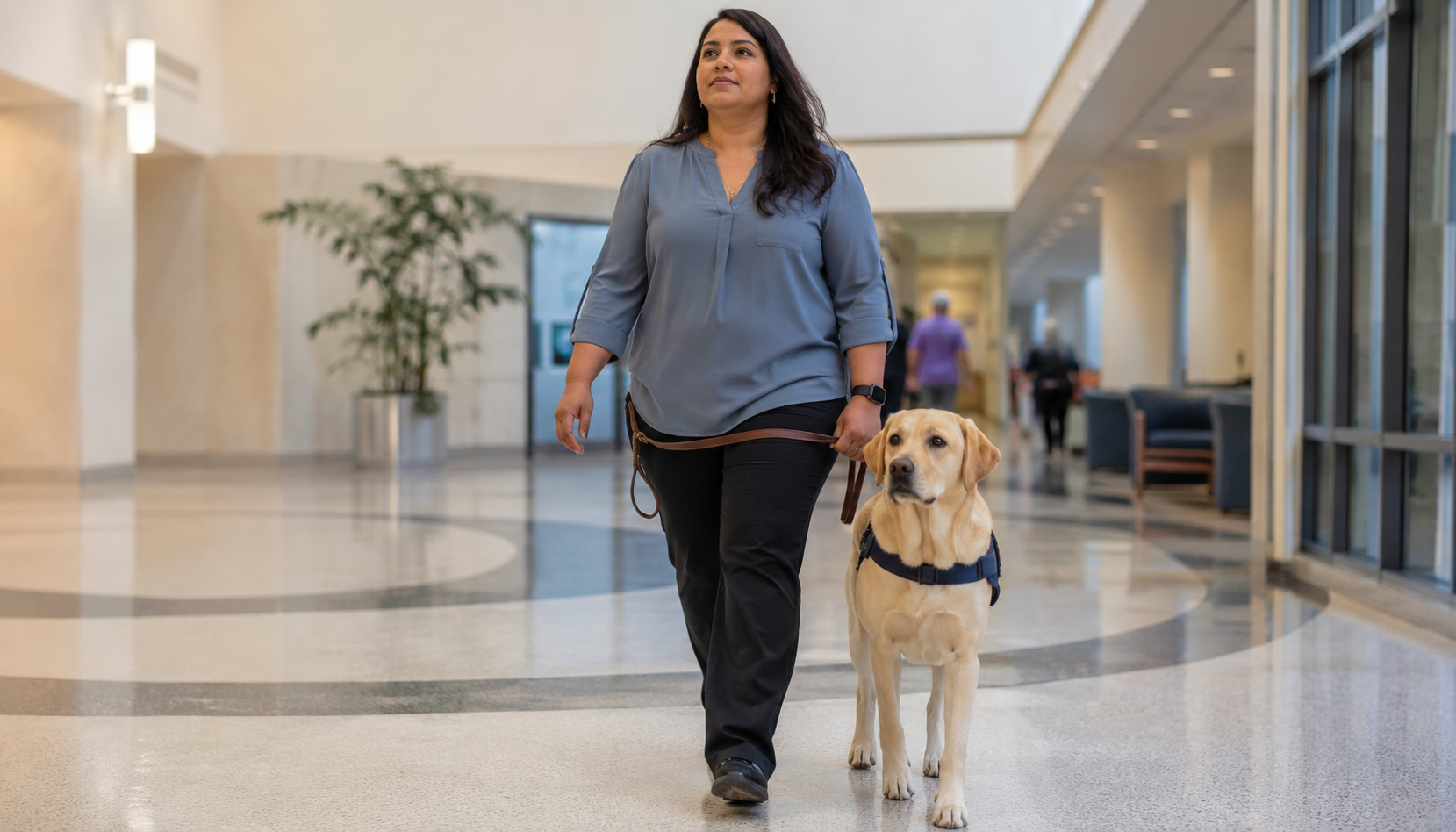
Service Dog Requirements in 2026: What the ADA Actually Requires
The ADA has one real service dog requirement: a handler with a disability and a dog trained to do a task. No c...
Read →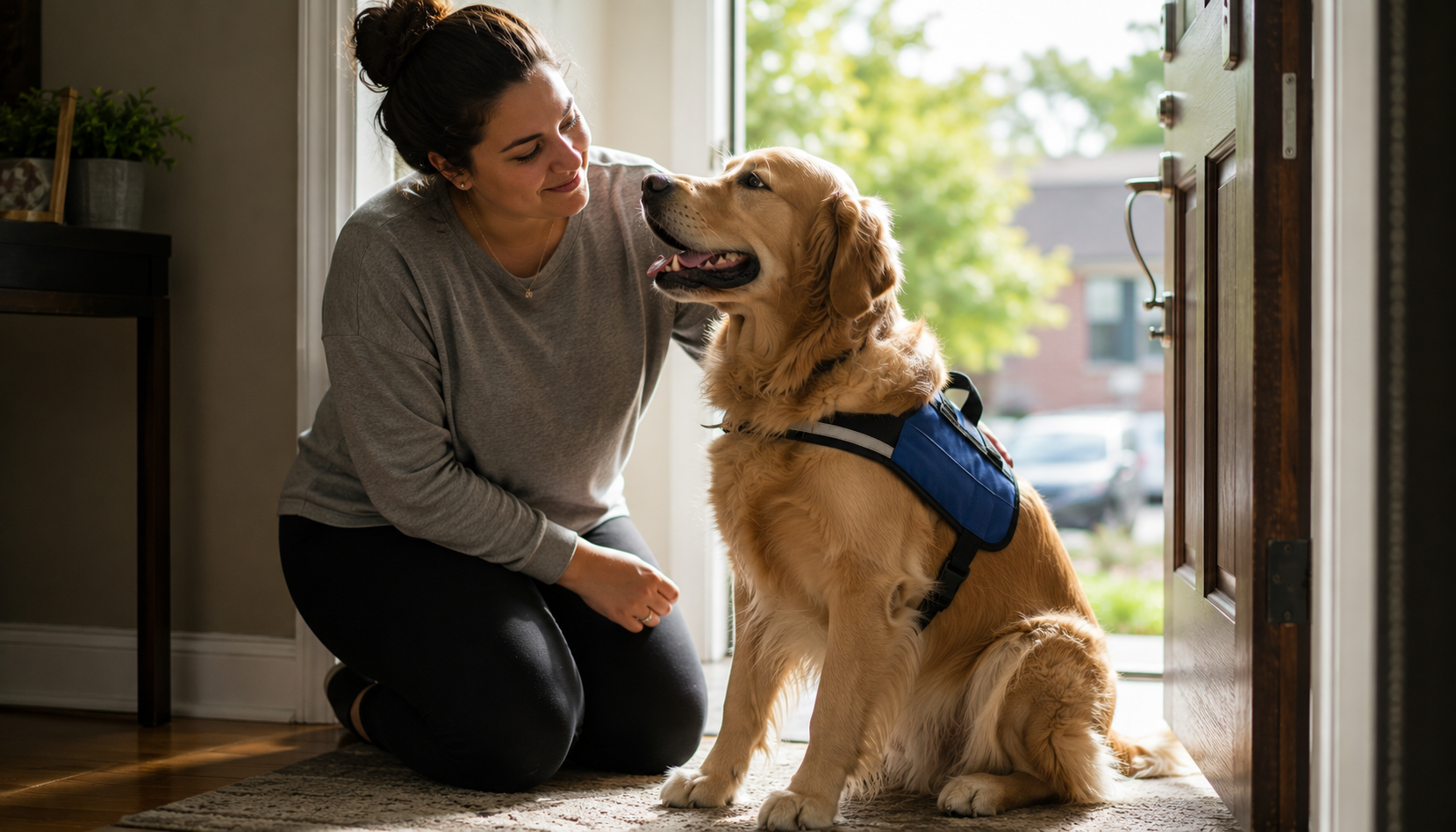
What Is a Service Dog? The ADA Definition in Plain English
A service dog is a dog individually trained to do work or tasks for a person with a disability. Training makes...
Read →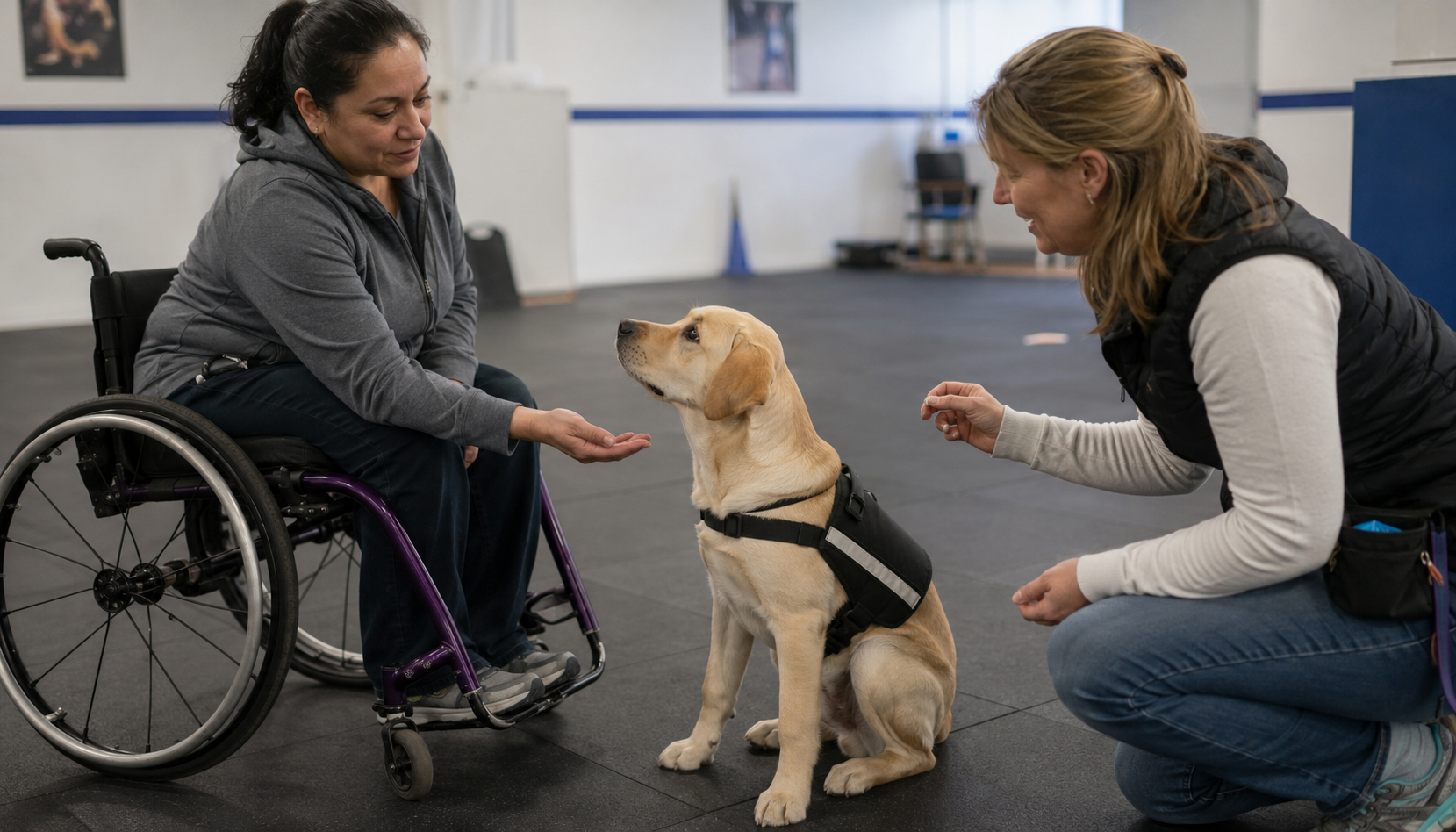
How to Get a Service Dog: The Real Paths and What Each Involves
Four honest ways to get a service dog: an accredited program, a hired trainer, owner-training, or choosing the...
Read →Get the card. Skip the explanations.
Digital handler ID + AI ADA Coach + state-specific rules from $4.99/mo. 30-day money-back guarantee on lifetime plans.
See plans →